Understanding when children benefit most from Montessori education and how early learning shapes lifelong development. What is the best age to start Montessori?
One of the most common questions parents ask when exploring Montessori education is when their child should begin. Because Montessori focuses on early independence, hands-on learning, and individualized development, starting at the right time can provide lasting benefits.
The Montessori method was designed to support children during critical developmental periods, particularly in early childhood. During these years, children naturally absorb information, develop foundational skills, and build independence.
At KV Montessori in Chula Vista, many families discover that starting Montessori education early helps their children develop confidence, focus, and a lifelong love of learning.
Determining the best age to start Montessori can vary for each child, but early engagement in this educational approach fosters a strong foundation for future learning.
Understanding Early Childhood Development
The early years of life are a period of rapid brain development. Children absorb language, social behaviors, and cognitive skills at an extraordinary rate, making it a crucial time for parents to consider the best age to start Montessori.
Maria Montessori described this stage as the “absorbent mind,” when children naturally learn through experience, observation, and interaction.
This makes early childhood an ideal time to introduce structured learning environments that support exploration and independence.
Montessori classrooms are designed to match children’s natural developmental needs.
Early childhood is not just preparation for learning. It is the most important stage of learning itself.
Montessori Programs Typically Begin in Toddler Years
Many Montessori programs begin accepting children between 18 months and 3 years old. At this stage, children are developing independence, coordination, and communication skills.
Montessori environments support these developmental milestones by allowing children to explore safely and independently.
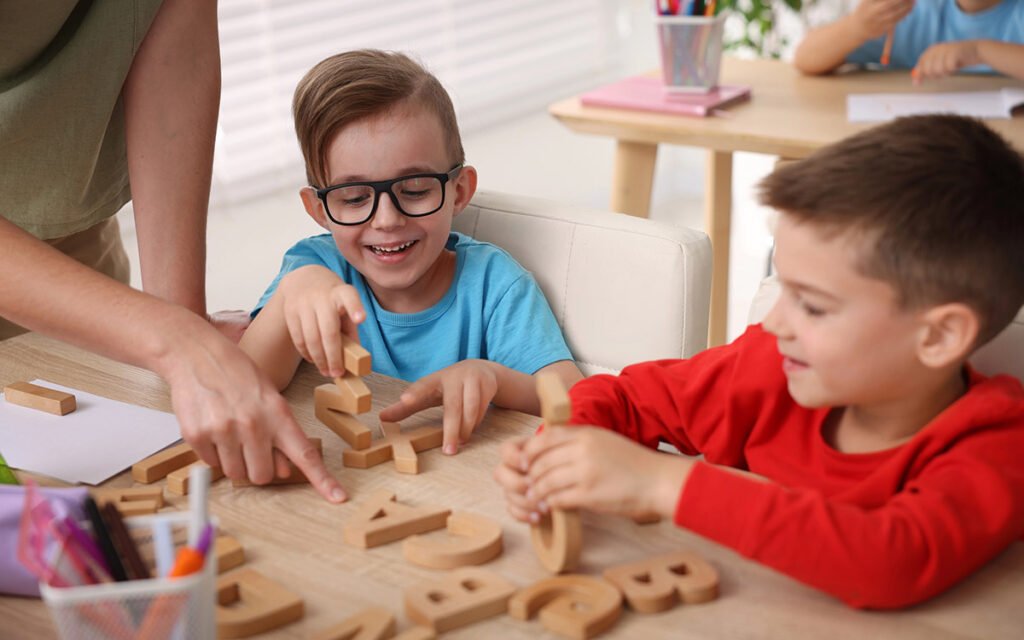
Activities are designed to build fine motor skills, concentration, and early problem-solving abilities.
Starting Montessori during the toddler years helps children develop confidence early.
Preschool Years Are Ideal for Montessori Learning
The preschool years, typically between ages 3 and 6, are considered one of the most important periods for Montessori education.
During this time, children develop language skills, early math understanding, and social abilities.
Montessori classrooms allow children to work independently, explore academic concepts, and develop focus.
Because children progress at their own pace, they build strong academic foundations without pressure.
Many parents choose to start Montessori during preschool for these reasons.
Starting Later Still Offers Benefits
While early enrollment offers significant advantages, children can benefit from Montessori education even if they start later.
Montessori principles support independence, confidence, and problem-solving at any age.
Children entering Montessori environments often adapt quickly and benefit from hands-on learning and individualized instruction.
The key benefit of Montessori is its ability to support each child’s development regardless of when they begin.
Why Early Montessori Education Builds Long-Term Success
Children who begin Montessori education early often develop strong independence and learning skills.
They learn how to focus, complete tasks, and solve problems independently. These skills support academic success in later years.
Montessori students often develop greater self-motivation and responsibility.
Early Montessori education helps establish positive attitudes toward learning.
When children develop independence early, they build confidence that supports them for life.
Social and Emotional Benefits of Early Montessori
Montessori classrooms also support emotional and social development. Children learn to interact respectfully with others, communicate effectively, and develop empathy.
Mixed-age classrooms allow younger children to learn from older peers and older students to develop leadership skills.
These experiences help children develop confidence and social awareness.
Social skills developed early support lifelong success.
Signs Your Child May Be Ready for Montessori
Children who show curiosity, interest in exploring, and a desire for independence often thrive in Montessori environments.
Even toddlers benefit from structured environments that allow safe exploration.
Parents may notice their child wanting to complete tasks independently or showing interest in learning activities.
Montessori supports these natural tendencies.
KV Montessori in Chula Vista provides environments designed to meet children at their developmental stage.
FAQs About Starting Montessori
What is the best age to start Montessori?
Many children begin between 18 months and 3 years old, but benefits exist at any age.
Is Montessori good for toddlers?
Yes. Montessori supports early independence and development.
Can older children start Montessori?
Yes. Montessori supports children at various developmental stages.
Does starting early improve outcomes?
Early exposure helps build strong independence and learning skills.
How do I know if my child is ready?
Curiosity, independence, and interest in learning are common signs.
Choosing the Right Time to Start Montessori in Chula Vista
Montessori education supports children at every stage of early development. Starting during toddler or preschool years provides strong academic, social, and emotional foundations.
KV Montessori in Chula Vista offers programs designed to support children’s independence, curiosity, and confidence from an early age.
Parents exploring Montessori education can learn more about how early enrollment helps children build lifelong learning skills and success.


