Why early autonomy forms the foundation of confident, capable learners.
Independence does not appear suddenly.
It develops quietly, through thousands of small moments in which a child is trusted to try, to struggle, to repeat, and to succeed on their terms.
In early childhood, these moments shape far more than daily behavior. They shape identity.
At KV Montessori, independence is not treated as a personality trait that some children possess and others do not. It is understood as a developmental process that can be carefully supported, protected, and strengthened through thoughtful education.
As Maria Montessori observed more than a century ago, children do not become independent because adults tell them to be. They become independent because their environment allows them to act, choose, and grow.
Understanding how this process unfolds helps parents recognize why early educational experiences matter so deeply.
Independence begins with movement and choice
The first signs of independence appear long before formal learning begins.
A toddler reaching for a cup, attempting to put on shoes, or insisting on carrying a small bag is not being difficult. They are practicing autonomy.
These early acts of self-direction allow children to discover that their actions have meaning. They learn that effort leads to outcomes and that their bodies and minds can solve real problems.
In Montessori classrooms, this instinct is protected rather than interrupted.
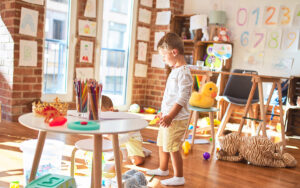
Children are encouraged to select their own activities from carefully prepared materials. They move freely, work at tables or on floor mats, and repeat tasks until they feel satisfied.
This freedom is structured, not chaotic. The environment is intentionally designed to offer appropriate choices that build confidence without overwhelming the child.
The role of practical life activities
Fostering Montessori Independence Through Practical Life Skills
Practical life work is one of the most powerful tools for building independence in early childhood.
Pouring water, slicing fruit, washing hands, buttoning clothing, and cleaning a workspace may appear simple, but these tasks strengthen coordination, concentration, and self-trust.
More importantly, they communicate a message to the child.
You are capable.
At KV Montessori, practical life activities are central to the classroom experience. Children are not rushed through them or corrected unnecessarily. They are allowed to repeat tasks until mastery feels natural.
Through this repetition, children develop patience, persistence, and pride in their own abilities.
Independence grows through respectful limits
True independence does not mean unlimited freedom.
Young children require clear boundaries in order to feel safe and secure.
In Montessori education, limits are designed to protect both the child and the learning environment. Materials are handled with care. Voices remain calm. Movement is purposeful.
Within these boundaries, children are free to make meaningful decisions.
They choose what to work on.
They choose how long to engage.
They choose when they are finished.
This balance between freedom and structure teaches responsibility alongside autonomy.
Children learn that independence exists within a community, not apart from it.
The teacher as guide, not controller
In traditional classrooms, adults often lead every activity.
In Montessori environments, teachers observe more than they direct.
Their role is to prepare the space, introduce materials, and step back when a child is ready to work independently.
This restraint is intentional.
By allowing children to struggle gently, educators give them the opportunity to build resilience and problem-solving skills. Mistakes become part of learning rather than something to fear.
At KV Montessori, teachers are trained to recognize when to intervene and when to allow growth to unfold naturally.
How independence supports academic learning
Independence is not separate from academics.
It strengthens it.
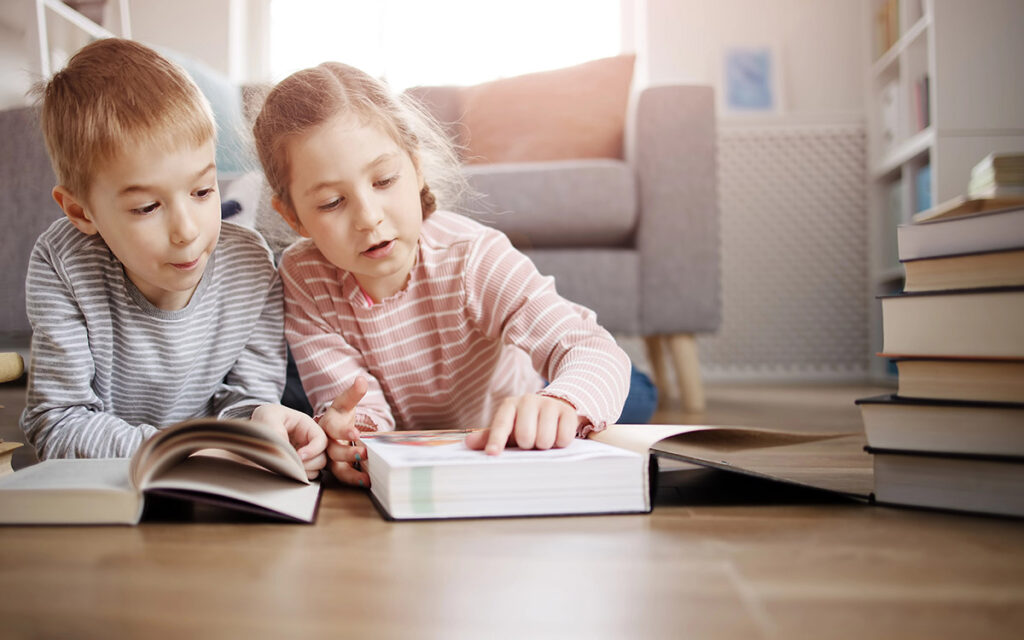
Children who trust their ability to make choices approach reading, writing, and mathematics with greater confidence. They persist longer when tasks become challenging. They take responsibility for their progress.
Instead of relying on constant approval, they develop internal motivation.
They learn because they are curious, not because they are instructed to perform.
This internal drive supports deeper understanding and long-term academic success.
Emotional benefits of early autonomy
Independence also shapes emotional development.
Children who are trusted to care for themselves experience a sense of dignity. They feel valued as individuals rather than managed as dependents.
This reduces frustration, anxiety, and behavioral outbursts.
It also nurtures empathy.
Children who feel capable are more likely to respect the abilities of others.
They cooperate more readily. They resolve conflicts with greater patience. They approach challenges with calm determination instead of fear.
What parents often notice at home
Families frequently observe subtle changes when children experience independence in the classroom.
Children begin dressing themselves more confidently.
They help prepare meals.
They organize toys.
They speak more clearly about their needs.
These behaviors are not taught through instruction alone.
They emerge from repeated experiences of being trusted.
Long-term impact
The habits formed in early childhood shape attitudes toward learning for decades.
Children who develop independence early are more likely to become students who ask questions, take initiative, and approach unfamiliar tasks with curiosity rather than hesitation.
They grow into adolescents who advocate for themselves.
They become adults who adapt to new environments with confidence.
Independence is not a short-term goal.
It is a lifelong skill.
Final thoughts
Early childhood is a brief and powerful window of development.
The way children are treated during these years shapes how they view themselves for the rest of their lives.
At KV Montessori, independence is nurtured gently and deliberately through prepared environments, respectful guidance, and meaningful work.
Trusting children with responsibility prevents them from becoming reckless. They become capable.
If you would like to learn how Montessori education supports independence and confidence from the earliest years, contact KV Montessori to schedule a school visit or consultation.
Understanding your child’s environment is the first step in supporting their growth.