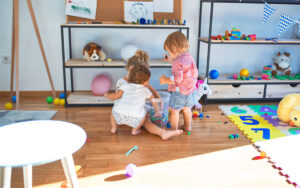
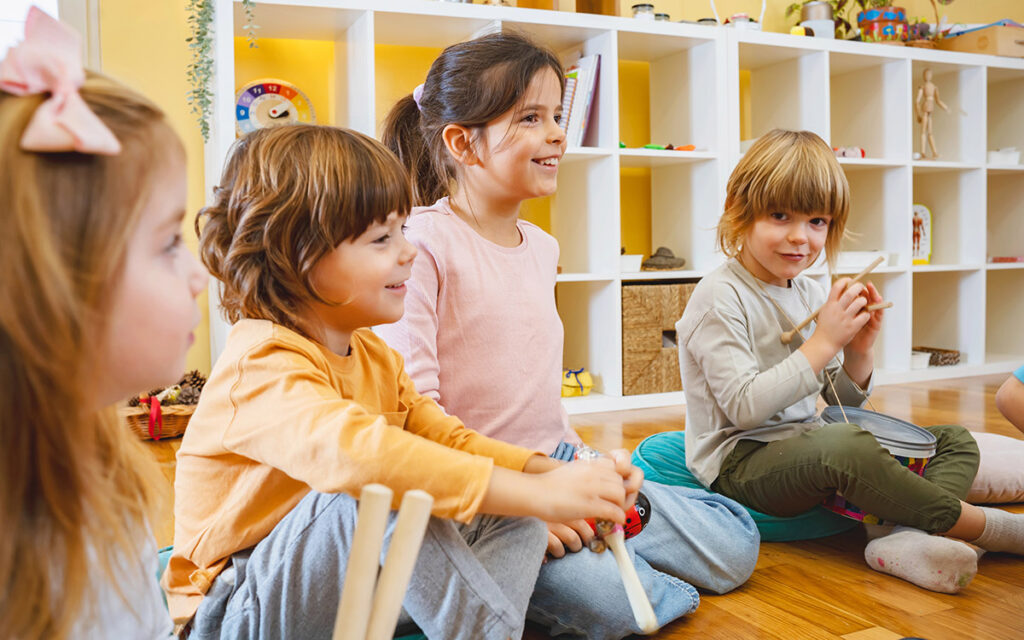
Understanding how Montessori’s child-centered approach differs from conventional classroom methods, particularly in the context of Montessori vs traditional education.
Education shapes the foundation of a child’s life, influencing how they learn, explore, and relate to the world around them. For many parents, the decision between Montessori and traditional education brings important questions: Which method better supports independence? Which fosters curiosity? Which prepares a child not only academically but also emotionally and socially?
Montessori and traditional education share the goal of helping children succeed, yet they differ significantly in philosophy, structure, and teaching approach. At KV Montessori, families often express curiosity about what makes Montessori unique and why so many children thrive in this environment. Understanding the core differences helps parents make an informed decision that aligns with their child’s needs, learning style, and developmental growth.
Montessori education is built on respect for the child, hands-on learning, and the belief that children learn best when given freedom within a carefully prepared environment. Traditional education, on the other hand, typically follows a teacher-led structure with standardized lessons, group pacing, and uniform expectations. Both systems offer strengths, but they deliver learning in profoundly different ways.
“Montessori education views the child not as a vessel to be filled, but as a capable learner ready to explore, experiment, and grow at their own pace.”
The ongoing debate regarding Montessori vs traditional education highlights the benefits and drawbacks of each approach, allowing parents to consider what works best for their child.
The Montessori Philosophy: Child-Led Learning and Internal Motivation
Montessori begins with the belief that children are naturally curious and intrinsically motivated to learn. Instead of teaching through direct instruction, the Montessori teacher acts as a guide, observing each child’s interests and introducing materials that help them advance.
Children choose their activities, work at their own pace, and repeat tasks until they feel satisfied. This autonomy builds concentration, confidence, and a love for learning that stays with them long after early childhood.
In contrast, traditional classrooms are typically structured around the teacher’s lesson plan. Children follow a predetermined curriculum, complete assignments on schedule, and move through material as a group. While this creates consistency, it may not account for each child’s unique learning rhythm.
Montessori encourages:
- Independence
- Self-direction
- Mastery through repetition
- Meaningful engagement
- Natural development
The traditional model encourages achievement through compliance, instruction, and external structure. Both can be valuable, but Montessori fosters early habits of curiosity and self-confidence that shape long-term academic and personal growth.
The Prepared Environment vs. Teacher-Led Classrooms
One of the most defining differences between Montessori and traditional education is the environment itself. Montessori classrooms are intentionally designed to allow children to move freely, choose work independently, and interact with materials that support logical, sensory, and practical learning.
The prepared environment includes:
- Materials arranged at child height
- Hands-on learning tools with built-in control of error
- Real-life materials that teach practical skills
- Open spaces for collaboration and movement
- Organized shelves that empower children to care for their environment
Learning becomes an active process, not a passive one.
Traditional classrooms are typically arranged with desks facing the front of the room, where the teacher delivers instruction. Activities are generally directed by the teacher, and children complete assignments according to the day’s plan.
While this structure efficiently manages large groups, it can limit self-initiative and hands-on exploration.
Individualized Learning vs. Standardized Curriculum
Montessori classrooms are multi-age environments where learning is individualized. A child works at their own pace, moving to new lessons only when they are developmentally ready and have mastered the previous concept.
This approach allows children to:
- Work ahead in areas of strength
- Take more time in areas needing support
- Learn without pressure
- Develop confidence without comparison
Traditional classrooms often follow a standardized schedule where all children study the same concept at the same time. This can support pacing and predictability but may leave some children feeling rushed, while others may not feel challenged enough.
Montessori individualization ensures that each child’s learning journey is respected and supported, allowing for deeper understanding and joyful exploration.
Intrinsic Motivation vs. External Rewards
Montessori avoids the use of gold stars, reward charts, or competitive grading during early childhood. Instead, children are encouraged to feel pride in their work because they see their own progress. Materials allow them to check their work independently, reinforcing internal motivation.
Traditional classrooms often rely on rewards, stickers, or grades to encourage effort. While these can motivate children temporarily, they may shift focus from genuine curiosity to seeking approval.
Montessori children develop:
- A lifelong love of learning
- A strong sense of responsibility
- Pride in self-mastery
- Natural curiosity
This internal drive becomes a key factor in academic success later on.
Freedom Within Limits vs. Teacher-Directed Instruction
In Montessori, freedom does not mean lack of structure. Instead, children work within clear boundaries that promote responsibility and respect. They choose their activities but must use materials appropriately, care for their classroom, and engage peacefully with others.
Teachers guide behavior through gentle redirection and respectful communication.
Traditional classrooms operate with more direct control, using rules, rewards, and consequences to manage classroom behavior. This helps maintain order but may offer less room for independence or self-regulation.
Montessori children learn to manage their time, make thoughtful choices, and regulate their actions—foundational skills for future success.
Hands-On Learning vs. Memorization-Based Methods
Montessori materials are designed to make abstract concepts concrete. Children physically manipulate tools to understand math, language, sensory development, and practical life skills.
Examples include:
- Number rods
- Sandpaper letters
- Pink tower blocks
- Pouring, spooning, and buttoning activities
- Puzzle maps and geometric solids
Traditional classrooms often rely more heavily on worksheets, lectures, and rote memorization. These methods prepare children for standardized testing but may not engage all types of learners.
Montessori’s multisensory approach builds strong neural connections and supports deeper comprehension.
Conclusion: Choosing the Learning Path That Fits Your Child
Montessori and traditional education both have value, but they nurture development in distinct ways. Montessori’s emphasis on independence, hands-on learning, mixed-age collaboration, and respectful guidance creates an environment where children grow academically, socially, and emotionally at their own pace.
For families seeking an approach that views children as capable, self-directed learners, Montessori education offers a warm, structured, and deeply enriching experience.
Choosing the right educational path begins with understanding your child. Montessori helps them discover who they are—confident, curious, and eager to learn.