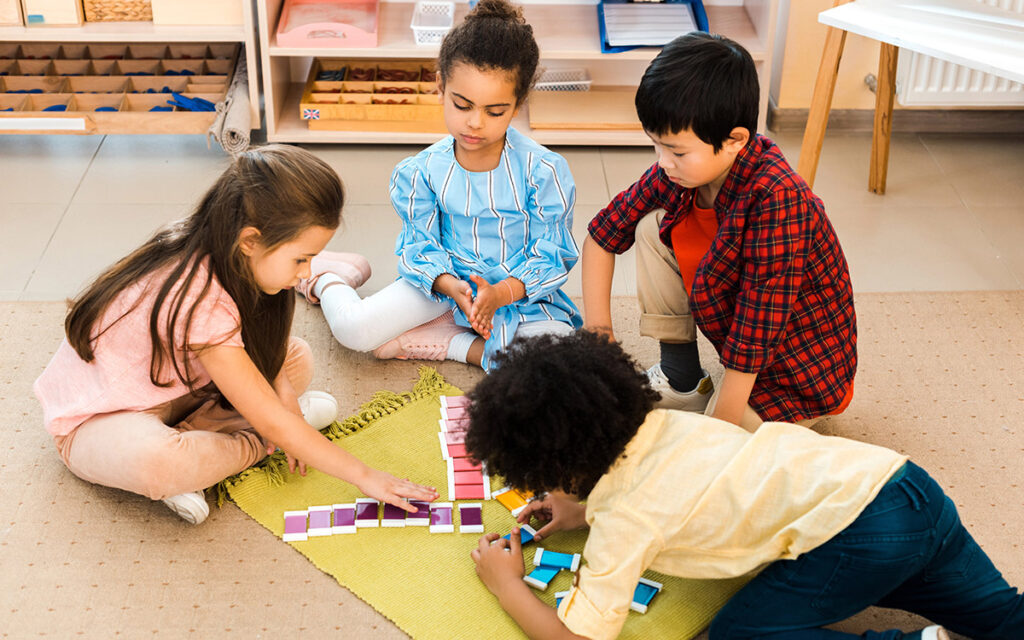
A clear, parent-friendly breakdown of Montessori education explained, how it works, and why it continues to shape confident, independent learners.
Choosing a preschool is one of the first major educational decisions you will make for your child. It’s not just about academics; it’s about the environment, mindset, and how your child sees themselves as a learner. Among the many options available, Montessori education stands out as one of the most respected and widely discussed approaches worldwide.
Could you please explain what Montessori education entails and how it differs from traditional preschool programs?
At its core, Montessori is not just a teaching method. It is a philosophy centered on independence, respect, and hands-on learning. Understanding how the Montessori approach works can significantly impact parents’ decision-making process when selecting the right preschool for their child.
The Foundations of Montessori Education
Montessori education was developed by Dr. Maria Montessori, an Italian physician and educator who believed that children learn best when they are given the freedom to explore within a structured environment.
Montessori education prioritizes each child as a unique learner, rather than adhering to a universal model. The classroom is carefully designed to encourage curiosity, independence, and self-paced development.
Children are not simply taught. They are guided.
In a Montessori environment, learning happens through experience. Materials are tactile, purposeful, and designed to teach specific concepts through exploration rather than memorization.
“Montessori education is not about teaching children what to think, it is about showing them how to learn.”
How Montessori Classrooms Actually Work
One of the most noticeable differences in Montessori classrooms is the structure of the day. Rather than rigid schedules with constant transitions, children are given extended periods of uninterrupted work time.
This allows them to fully engage with activities, build concentration, and develop problem-solving skills without interruption.
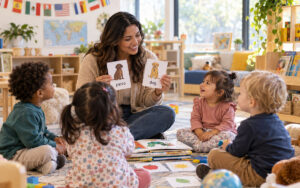
Classrooms are typically mixed-age groups, which creates a more natural learning environment. Younger children learn by observing older peers, while older students reinforce their knowledge by helping others.
Teachers, often referred to as guides, do not stand at the front of the room delivering lectures. Instead, they observe, support, and introduce materials when a child is ready.
This creates a calm, focused atmosphere where children feel both supported and empowered.
The Role of Independence in Montessori Learning
Independence is one of the defining pillars of Montessori education. From a very young age, children are encouraged to take responsibility for their actions, choices, and environment.
This can look simple at first. This can be as simple as pouring their own water, cleaning up after activities, or choosing what to work on. But over time, these small actions build confidence, decision-making skills, and a strong sense of ownership.
Rather than being told what to do at every moment, children learn how to manage themselves.
This autonomy is not chaotic. It is structured freedom within clear boundaries, allowing children to explore safely while developing self-discipline.
Hands-On Learning and Real-World Skills
Montessori classrooms are filled with materials designed to teach through doing. Whether it is counting beads, sorting objects, or practicing practical life skills like buttoning or pouring, every activity has a purpose.
Children engage all their senses, which leads to more profound understanding and longer retention.
Unlike traditional programs that may prioritize worksheets or passive instruction, Montessori emphasizes active participation.
Real-world skills are also a major focus. Children learn everyday tasks that build independence and prepare them for life beyond the classroom.
These experiences go far beyond academics. They shape how children approach challenges, solve problems, and interact with others.
Social and Emotional Development in Montessori
Montessori education places a strong emphasis on respect, both for oneself and for others. The classroom environment encourages collaboration rather than competition.
Because children are not constantly compared or ranked, they develop intrinsic motivation. They learn to take pride in their work for personal satisfaction, not external rewards.
Mixed-age classrooms also foster empathy and leadership. Older children naturally mentor younger ones, creating a sense of community.
Conflict resolution is handled thoughtfully, teaching children how to communicate, listen, and solve problems constructively.
“When children feel respected and capable, they begin to act with confidence and kindness.”
Why Parents Are Choosing Montessori Preschool
In today’s fast-paced world, many parents are looking for an educational approach that goes beyond academics. They want their children to develop independence, confidence, and a love for learning.
Montessori offers exactly that.
Parents often notice that children in Montessori programs become more self-directed, focused, and engaged. They are not just learning facts. They are learning how to learn.
This foundation can have long-term benefits, influencing academic success, social skills, and emotional resilience.
For families exploring preschool options, Montessori provides a balanced approach that supports the whole child.
Is Montessori the Right Choice for Your Child?
While Montessori offers many benefits, the best choice always depends on your child’s personality and learning style.
Children who thrive in environments that encourage exploration, independence, and hands-on learning often do very well in Montessori settings.
It is also important for parents to feel aligned with the philosophy. Montessori works best when the values of independence and respect extend beyond the classroom into the home.
Visiting a school, observing a classroom, and speaking with educators can give valuable insight into whether it feels like the right fit.
Conclusion
Montessori education is more than a teaching method. It is a long-term investment in how your child thinks, learns, and interacts with the world.
By fostering independence, curiosity, and confidence from an early age, Montessori helps children build a strong foundation that extends far beyond preschool.
For parents considering their options, understanding what Montessori truly offers can make the decision clearer and more intentional.
FAQs
What age does Montessori education start?
Montessori programs often begin as early as 18 months–3 years old, depending on the school.
Is Montessori academically strong?
Yes. Montessori students often develop strong foundational skills in math, language, and critical thinking through hands-on learning.
Do Montessori children follow a curriculum?
Yes, but it is flexible and individualized, allowing children to progress at their own pace.
Will my child adjust to traditional school after Montessori?
Most children transition well, often bringing strong independence, focus, and problem-solving skills with them.
If you are exploring preschool options and want an environment that nurtures independence, confidence, and a lifelong love of learning, consider visiting KV Montessori. Schedule a tour today to experience the classroom firsthand and see how the Montessori approach can support your child’s development.