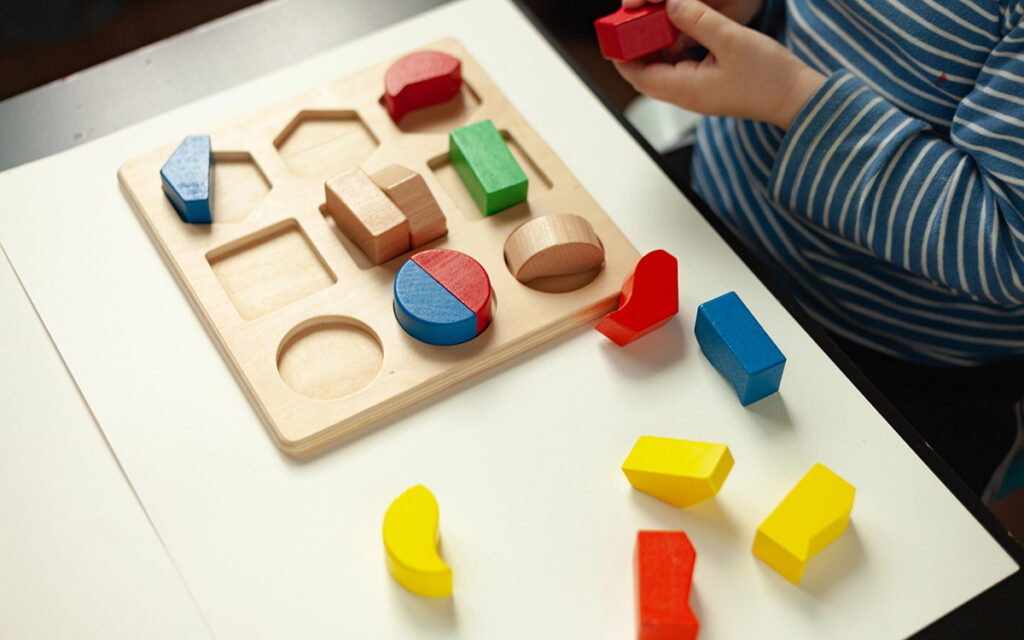
Understanding the core foundations that guide Montessori education and help children grow into confident, capable learners is crucial.
Montessori education is known for its unique approach to learning, one that prioritizes independence, curiosity, and respect for each child’s natural development. Developed by Italian physician and educator Maria Montessori in the early 1900s, the Montessori method has grown into a globally recognized educational philosophy used in thousands of schools worldwide.
At the heart of Montessori education are guiding principles that shape how classrooms are designed, how teachers interact with students, and how children engage with learning materials. These foundational ideas are often described as the Montessori pillars of learning. Together, they create an educational environment that supports academic growth while nurturing independence, creativity, and confidence. Understanding the Montessori pillars of learning is critical to creating a holistic educational experience.
Schools such as KV Montessori implement these pillars to provide a structured yet flexible learning environment where children can explore, develop skills, and build a lifelong love of learning.
Understanding these pillars helps parents and educators appreciate why Montessori classrooms often look and function differently from traditional educational settings, as they emphasize individualized learning and foster a child-centered approach that prioritizes the unique needs and interests of each student.
The First Pillar: Respect for the Child
One of the most important principles in Montessori education is respect for the child. Montessori believed that children are capable individuals who deserve to be treated with dignity and understanding. In a Montessori classroom, teachers observe students carefully and guide them rather than directing every step of the learning process.
Respect for the child means recognizing that each student develops at their pace. Instead of comparing children to one another or pushing them through identical academic timelines, Montessori educators focus on supporting individual progress.
This approach helps children build confidence and develop a positive relationship with learning. Students are encouraged to ask questions, explore ideas, and make choices within structured boundaries.
When children feel respected and trusted, they are more likely to become engaged learners who take ownership of their education.
“Respect for the child is the foundation of Montessori education and allows students to develop confidence, curiosity, and self-motivation.”
The Second Pillar: The Prepared Environment
Another key element of Montessori learning is the prepared environment. Montessori classrooms are intentionally designed to encourage exploration and independence.
Furniture and materials are arranged in a way that is accessible to children. Learning tools are placed on open shelves so students can choose activities independently. Each material has a specific educational purpose and is designed to teach a concept through hands-on interaction.
The environment itself becomes a teaching tool. Children learn organization, responsibility, and respect for shared spaces by returning materials to their proper place after use.
A prepared environment also promotes concentration. Classrooms are typically calm, orderly, and thoughtfully arranged so children can focus deeply on their work.
At schools like KV Montessori, classrooms are structured to create a balanced environment that supports both independent work and collaborative learning.
The Third Pillar: Hands-On Learning
Montessori education emphasizes learning through experience. Instead of relying primarily on lectures or worksheets, students interact with physical materials that help them understand concepts in a tangible way.
Beads or blocks, for instance, can be used to introduce math concepts and help kids visualize quantities and numbers. Language development may involve tracing letters or building words with movable alphabets.
These materials are designed to engage multiple senses, helping children internalize information more effectively. Additionally, hands-on learning fosters experimentation and problem-solving skills.
When children physically interact with learning materials, they develop a deeper understanding of concepts and often retain information more easily.
The Fourth Pillar: Self-Directed Learning
One of the most distinctive features of Montessori education is the emphasis on self-directed learning. Students are given the freedom to choose activities within the classroom environment, allowing them to follow their interests while still working within a structured curriculum.
Teachers act as guides rather than traditional instructors. They observe each child’s progress and introduce new materials when the student is ready to learn the next concept.
This approach helps children develop independence, decision-making skills, and intrinsic motivation. Rather than learning only to complete assignments or earn grades, students begin to take pride in their own progress.
Over time, self-directed learning encourages children to become responsible learners who can manage their time, set goals, and pursue knowledge independently.
“Montessori classrooms nurture curiosity by allowing children to take an active role in their own learning journey.”
The Fifth Pillar: Mixed-Age Classrooms
Montessori classrooms often include children from a range of ages within the same learning environment. This structure, known as mixed-age classrooms, is another essential pillar of Montessori education.
Younger students benefit from observing older classmates who have already mastered certain skills. This observation naturally introduces new ideas and encourages curiosity.
Older students also gain valuable experience by helping younger peers. Teaching or demonstrating concepts reinforces their understanding while developing leadership and communication skills.
Mixed-age learning environments also reduce competition among students. Because children are working at different stages, the focus shifts from comparison to personal growth.
This collaborative structure helps create a classroom culture built on cooperation, mentorship, and shared learning.
FAQs
What are the five pillars of Montessori education?
The five pillars commonly associated with Montessori education include respect for the child, the prepared environment, hands-on learning, self-directed learning, and mixed-age classrooms.
Why are Montessori classrooms designed differently?
Montessori classrooms are designed as prepared environments where children can independently access learning materials, explore concepts, and develop responsibility for their learning.
How do mixed-age classrooms help children learn?
Mixed-age classrooms allow younger students to learn by observing older peers while giving older students opportunities to reinforce knowledge by helping others, which fosters a collaborative learning environment that benefits all age groups. Additionally, Montessori students follow a curriculum that is tailored to their individual developmental needs and interests.
Do Montessori students follow a curriculum?
Yes. Montessori schools follow a structured curriculum, but students often progress through materials at their pace under the guidance of trained teachers.
Conclusion
The five pillars of Montessori learning provide the foundation for an educational approach that prioritizes independence, curiosity, and personal growth. By respecting each child’s natural development and creating environments that encourage exploration, Montessori education supports both academic achievement and life skills.
From hands-on learning materials to mixed-age classrooms and self-directed exploration, these principles work together to help children become confident learners who enjoy discovering the world around them.
Schools such as KV Montessori apply these pillars to create nurturing educational environments where children can thrive academically, socially, and emotionally.
Schedule a tour today to see how KV Montessori’s classrooms inspire independence, creativity, and a lifelong passion for learning.