Why independence, hands-on learning, and self-paced growth help children develop lasting self-confidence.
Confidence is one of the most important qualities a child can develop, especially during the early years of learning. A confident child is more willing to try new things, solve problems independently, and approach challenges with a positive mindset. Montessori confidence building is essential in nurturing this quality.
Montessori education is designed to nurture confidence naturally through independence, hands-on learning, and individualized support. Instead of relying on constant instruction or correction, children are encouraged to explore, learn, and grow at their own pace, which significantly enhances their Montessori confidence building.
At KV Montessori in Chula Vista, confidence-building is an essential part of the learning experience, helping children develop the skills they need for long-term success through Montessori confidence building.
Encouraging Independence From the Start
One of the most powerful ways Montessori education builds confidence is by encouraging independence. Children are given opportunities to make choices, complete tasks, and manage their learning environment.
This may include selecting activities, putting away materials, or completing practical tasks such as organizing their workspace.
When children successfully complete tasks on their own, they develop a sense of accomplishment. This reinforces their belief in their own abilities.
Over time, these small successes build strong self-confidence.
Confidence grows when children are trusted to learn, explore, and succeed independently.
Learning Through Hands-On Experience
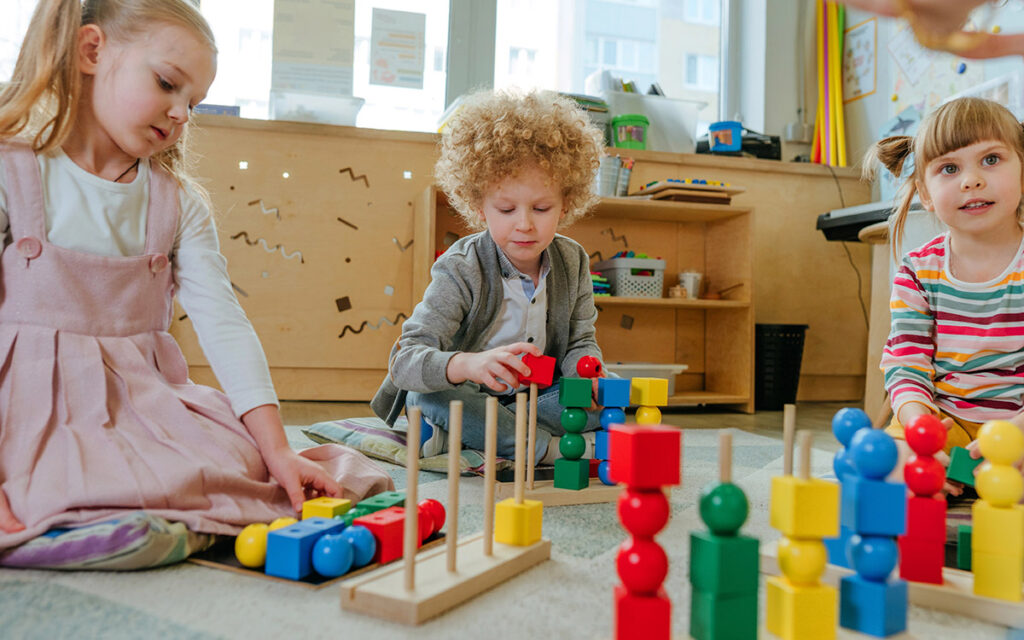
Montessori classrooms use hands-on materials that allow children to learn through direct interaction. Instead of being told how something works, children discover it themselves.
This process helps children understand concepts deeply and builds trust in their ability to learn.
Hands-on learning also reduces fear of failure. Children can experiment, correct mistakes, and try again without pressure.
This encourages persistence and resilience.
Children learn that mistakes are part of the learning process.
Allowing Children to Learn at Their Own Pace
Every child develops at a different rate. Montessori education respects this by allowing children to learn at their own pace.
Children are not forced to move forward until they are ready. This prevents frustration and helps ensure understanding.
When children master skills through their own effort, they develop pride in their achievements.
This strengthens both academic skills and emotional confidence.
When children experience success through their own effort, confidence becomes part of their identity.
Providing a Supportive and Respectful Environment
Montessori classrooms are designed to be calm, respectful, and supportive. Teachers guide rather than control the learning process.
Children are treated with respect and encouraged to respect others. This creates a safe environment where children feel comfortable exploring and learning.
When children feel supported, they are more willing to take risks and try new activities.
This supports emotional development and confidence.
Developing Problem-Solving Skills
Montessori education encourages children to solve problems independently. Instead of immediately correcting mistakes, teachers allow children to discover solutions.
This builds critical thinking skills and confidence.
Children learn that they are capable of overcoming challenges.
Problem-solving abilities developed early in life support future academic and personal success.
Building Confidence Through Real-Life Skills
Practical life activities are an essential part of Montessori education. These activities include tasks such as cleaning, organizing, and caring for the environment.
These activities help children develop responsibility and independence.
Completing real-life tasks builds confidence because children see the results of their efforts.
They feel capable and valued.
Supporting Social Confidence
Montessori classrooms also support social development. Children interact with peers, collaborate on activities, and learn to communicate effectively.
Mixed-age classrooms allow younger children to learn from older peers and older children to develop leadership skills.
This builds social confidence and communication skills.
These skills support success in school and life.
Why Confidence Matters in Early Childhood
Confidence developed during early childhood has long-term benefits. Confident children are more likely to participate in class, explore new ideas, and overcome challenges.
They develop a positive attitude toward learning and problem-solving.
Montessori education helps build this confidence naturally.
At KV Montessori in Chula Vista, children are supported in developing independence, confidence, and a lifelong love of learning.
FAQs About Montessori and Confidence
Does Montessori help build confidence?
Yes. Independence and hands-on learning help children develop confidence.
Why is independence important for confidence?
It allows children to experience success on their own.
Do Montessori teachers correct mistakes?
Teachers guide children but encourage independent problem-solving.
Can shy children benefit from Montessori?
Yes. Montessori environments support gradual confidence-building.
Does Montessori support emotional development?
Yes. It encourages independence, respect, and self-esteem.
Helping Children Build Confidence in Chula Vista
Confidence is essential for lifelong success. Montessori education provides children with opportunities to develop independence, problem-solving skills, and self-belief.
KV Montessori in Chula Vista offers a carefully prepared environment designed to support confidence, independence, and academic growth.
Families seeking an educational approach that nurtures both academic and emotional development often choose Montessori education to support their child’s future.