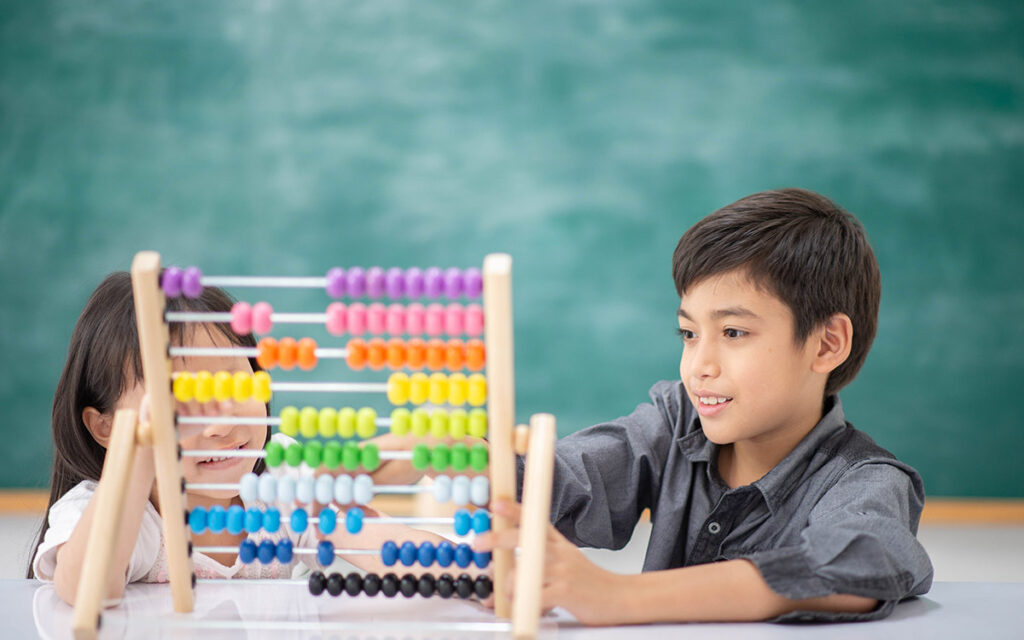
Why Montessori independence for children is the foundation of Montessori education and how it shapes confident, capable children from an early age.
Independence is one of the most valuable skills a child can develop, yet it is often misunderstood. Many parents associate independence with doing things alone, but in early childhood, it is about something deeper. It is about confidence, decision-making, and the ability to engage with the world in a meaningful way.
Understanding Montessori independence for children helps parents appreciate the value of this approach.
Montessori education places independence at the center of learning. From the moment children enter the classroom, they are encouraged to make choices, solve problems, and take responsibility for their actions in ways that feel natural and empowering.
For parents considering Montessori, understanding how Montessori teaches independence to children and why it matters can provide important clarity when choosing the right preschool environment.
What Independence Really Means in Early Childhood
In Montessori education, independence is not about leaving children to figure everything out on their own. Creating an environment that supports Montessori independence for children is the key to helping them do things for themselves.
This starts with simple, everyday actions. A child chooses their activity, carries their materials, completes a task, and returns everything to its place. These moments may seem small, but they build a powerful foundation.
Over time, children begin to trust their abilities. They learn that they are capable, and that confidence carries into every area of development.
“Independence is not taught through instruction, it is built through experience.”
The Prepared Environment: Designed for Independence
One of the key elements of Montessori is the prepared environment. Every detail in the classroom is intentionally designed to support independence.
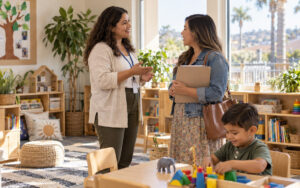
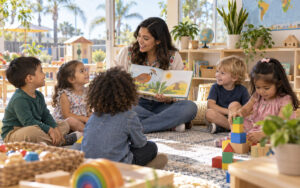
Furniture is child-sized so children can move freely and safely. Materials are placed on accessible shelves, allowing children to choose what they want to work on without asking for permission.
Each activity has a clear purpose and a defined place, which helps children understand structure without needing constant direction.
This setup removes unnecessary barriers. Instead of relying on adults for every step, children learn to navigate their environment with confidence.
Freedom Within Structure
Montessori classrooms are often described as offering freedom, but it is important to understand that this freedom exists within clear boundaries.
Children can choose their work, but they must finish it and respect the classroom.
This balance teaches self-regulation. Children learn how to manage their time, focus on tasks, and make thoughtful decisions.
They learn to self-discipline instead of relying on external control.
Practical Life Skills: The Foundation of Confidence
A unique aspect of Montessori education is the emphasis on practical life activities. These are real-world tasks adapted for young children, such as pouring water, buttoning clothing, cleaning surfaces, or preparing simple snacks.
These activities are not busy work. They are essential for building coordination, concentration, and independence.
When a child learns how to complete everyday tasks on their own, it changes how they see themselves. They begin to feel capable, responsible, and included in their environment.
This sense of contribution is a key part of emotional development.
The Role of the Teacher as a Guide
In a Montessori classroom, the teacher’s role is very different from what many parents expect.
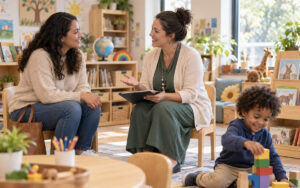
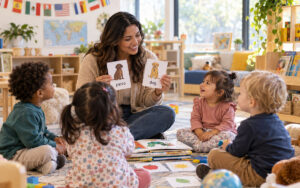
Instead of directing every activity, the teacher observes each child closely and introduces new materials when the child is ready. This ensures that learning is aligned with individual development.
Teachers step in when guidance is needed, but they also step back to allow children to try, make mistakes, and try again.
This approach builds resilience. Children learn that mistakes are part of the learning process, not something to avoid.
Long-Term Benefits of Early Independence
The independence developed through Montessori education extends beyond the classroom. It extends into everyday life.
Children often become more confident in social situations, more willing to take initiative, and better able to handle challenges.
They develop strong problem-solving skills and a sense of responsibility that continues as they grow.
Parents frequently notice that their children begin to take ownership of tasks at home, from getting dressed to helping with simple chores.
These are not just habits. They are life skills that support long-term success.
“When children learn they can do things for themselves, they begin to believe they can do anything.”
How Parents Can Support Independence at Home
Montessori principles do not have to stop at school. Parents can reinforce independence in simple, meaningful ways at home.
Allow your child to participate in daily routines, even if it takes more time. Offer choices instead of giving constant instructions. Create spaces where they can access their belongings easily.
It is also important to be patient. Independence develops gradually, and children need time to practice and build confidence.
The goal is not perfection. It is progress and self-belief.
Conclusion
Montessori education builds independence by giving children the tools, environment, and support they need to take ownership of their learning and daily activities.
This approach creates confident, capable individuals who are not afraid to explore, try, and grow.
For parents, choosing a Montessori preschool means choosing an environment that values not just what children learn but who they become.
FAQs
At what age can children start developing independence?
Independence begins as early as toddlerhood and is naturally encouraged in Montessori environments.
Will my child become too independent?
No. Montessori independence is balanced with respect, responsibility, and social awareness.
How does Montessori teach responsibility?
Children engage in daily routines and practical life activities and are expected to care for their environment.
Can I encourage independence at home?
Yes. Simple actions like allowing choice, encouraging participation, and being patient can make a big difference.
If you want your child to grow into a confident, independent learner, the best way to understand Montessori is to see it in action. Schedule a tour at KV Montessori and experience how independence is built into every part of the classroom.