How Montessori education empowers children to develop independence, accountability, and confidence through meaningful everyday experiences.
Responsibility is one of the most important life skills children can develop during their early years. While many people associate responsibility with completing chores or following rules, it extends much deeper than that. True responsibility involves making thoughtful choices, caring for oneself and others, following through on commitments, and understanding that actions have consequences. These foundational skills support success not only in school but throughout adulthood.
Young children are naturally eager to participate in the world around them. They want to help prepare meals, tidy their environment, care for plants, and contribute meaningfully to family and classroom communities. When adults trust children with age-appropriate responsibilities, children begin to develop confidence in their abilities and pride in their contributions.
Montessori education embraces this natural desire for independence by intentionally incorporating opportunities for responsibility, including Montessori responsibility activities, into daily learning experiences. Rather than shielding children from real-world tasks, Montessori classrooms encourage students to actively participate in maintaining their environment, caring for materials, and taking ownership of their learning. Through these Montessori responsibility activities, children learn to value their contributions.
At KV Montessori Academy, we thoughtfully design daily Montessori activities to help children build responsibility in ways that are both meaningful and developmentally appropriate. Through practical life experiences, self-directed learning, and collaborative classroom communities, students build habits that foster independence, accountability, and lifelong success.
“Children become responsible not because they are told to be, but because they are trusted with meaningful opportunities to contribute.”
These early experiences help children understand that they are capable individuals whose actions positively impact the world around them.
Practical Life Activities Teach Real Responsibility
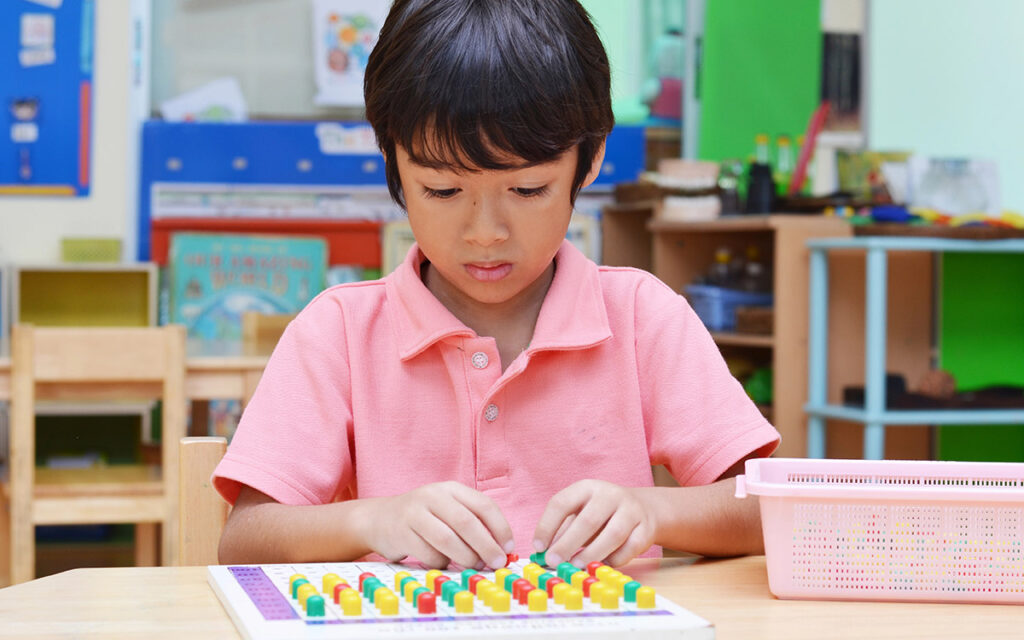
One of the defining features of Montessori education is its emphasis on practical life activities. These experiences focus on everyday tasks that help children develop independence, coordination, concentration, and responsibility.
In many traditional educational settings, adults often complete tasks for children to save time or avoid mistakes. Montessori classrooms take a different approach by recognizing that participating in real-life activities is essential to child development.
Children may engage in activities such as the following:
- Pouring and serving snacks
- Cleaning tables and workspaces
- Washing hands independently
- Watering classroom plants
- Folding towels or cloths
- Organizing materials on shelves
- Sweeping floors
- Caring for classroom pets when appropriate
Although these tasks may seem simple, they carry profound developmental value.
Practical life activities teach children that they play an important role within their community. Their contributions matter, and their actions help maintain a positive learning environment for everyone.
These experiences also help children understand that responsibility involves consistency and follow-through. If a child spills water while pouring, they learn how to clean it up. If materials are used during an activity, they return them properly for the next student.
Rather than viewing these moments as inconveniences, Montessori education recognizes them as valuable opportunities for growth.
Over time, children begin to internalize responsible behaviors because they understand their purpose and importance.
Freedom Within Limits Encourages Accountability
Montessori classrooms are often described as environments that support freedom within limits. Children are given meaningful choices throughout the day and learn to respect boundaries and expectations.
This balance plays a significant role in developing responsibility.
Students are encouraged to choose activities based on their interests and readiness. However, with this freedom comes accountability. Children are expected to:
- Use materials appropriately
- Complete activities before selecting new work
- Return materials to their designated places
- Respect the concentration of others
- Care for the classroom environment
By allowing children to make choices while maintaining clear expectations, Montessori education helps them understand that independence and responsibility are closely linked.
When children experience ownership over their decisions, they become more invested in their actions and outcomes.
Instead of relying solely on adult reminders or external rewards, students begin to develop internal motivation. They understand that responsible choices contribute to both their personal success and the well-being of the classroom community.
This approach fosters self-regulation and decision-making skills that benefit children far beyond their early educational years.
Learning to manage freedom responsibly prepares children for increasing independence as they grow older.
“Responsibility develops when children experience the connection between their choices, their actions, and their impact on others.”
This understanding forms the foundation for accountability throughout life.
Caring for the Classroom Builds Community Awareness
Montessori classrooms function as communities where every member contributes to creating a positive and supportive environment.
Children are encouraged to take an active role in caring for shared spaces and resources. Rather than viewing classroom maintenance as solely the teacher’s responsibility, students participate in preserving the order and beauty of their surroundings.
This shared responsibility fosters several important qualities:
- Respect for others
- Cooperation and teamwork
- Empathy and consideration
- Pride in contributing
- A sense of belonging
Children quickly recognize that their actions affect those around them. Returning materials neatly ensures classmates can use them successfully. Cleaning shared spaces demonstrates care for the community. Respecting classroom guidelines supports a peaceful learning environment.
These experiences help children move beyond self-focused thinking and develop an appreciation for collective responsibility.
Community participation also strengthens self-esteem. When children see that they are trusted contributors within their environment, they gain confidence in their ability to make meaningful contributions.
This sense of purpose often motivates children to carry responsible behaviors into other settings, including home and social environments.
Parents frequently notice that children enrolled in Montessori programs begin volunteering to help with household tasks, organizing personal belongings more independently, and demonstrating greater awareness of how their actions affect others.
Responsibility becomes a natural extension of feeling connected to a community.
Self-Directed Learning Encourages Ownership
Academic responsibility is another important aspect of Montessori education.
Unlike highly teacher-directed environments, Montessori classrooms encourage children to take ownership of their learning experiences. Students actively engage in selecting activities, managing their time, and working toward mastery at their pace.
This approach teaches children valuable lessons about accountability.
Children learn that their progress depends largely on their effort, concentration, and persistence. Teachers provide guidance and support, but students are encouraged to participate actively in their educational journey.
This sense of ownership helps children develop:
- Intrinsic motivation
- Goal-setting abilities
- Time management skills
- Persistence through challenges
- Confidence in their capabilities
Because Montessori students are encouraged to follow their interests while working within established expectations, they often develop a genuine love of learning.
They begin to understand that responsibility is not about complying with external demands but about making choices that support personal growth and achievement.
When children experience the satisfaction of completing meaningful work independently, they build confidence in their ability to handle future responsibilities.
These skills provide a strong foundation for academic success throughout their educational journey.
Responsibility Supports Lifelong Success
The benefits of developing responsibility during early childhood extend far beyond the classroom.
Responsible children often demonstrate stronger executive functioning skills, including organization, planning, impulse control, and adaptability. These abilities contribute significantly to success in school, relationships, and future careers.
Children who regularly practice responsibility are often more likely to:
- Complete tasks independently
- Follow through on commitments
- Solve problems proactively
- Adapt to new situations
- Demonstrate empathy and cooperation
- Develop confidence in their decision-making
- Show resilience when facing challenges
Importantly, responsibility should not be confused with perfection.
Montessori education recognizes that mistakes are valuable learning opportunities. Children are encouraged to reflect on their experiences, make corrections when necessary, and continue developing their skills without fear of failure.
This supportive approach helps children understand that responsibility involves growth and continuous learning.
The habits formed during early childhood frequently shape future attitudes toward work, relationships, and personal accountability.
By providing meaningful opportunities to contribute, make decisions, and care for their environment, Montessori education helps children develop the confidence and competence needed to thrive throughout life.
At KV Montessori Academy, fostering responsibility is an integral part of preparing children not only for academic success but also for becoming thoughtful, capable individuals who positively impact the world around them.
Frequently Asked Questions
How does Montessori teach responsibility?
Montessori education teaches responsibility through practical life activities, self-directed learning, classroom participation, and opportunities for children to care for their environment and materials.
What are practical life activities in Montessori?
Practical life activities are everyday tasks such as cleaning, preparing snacks, organizing materials, and caring for classroom spaces that help children develop independence and responsibility.
Why is responsibility important in early childhood?
Responsibility supports the development of independence, confidence, self-discipline, problem-solving abilities, and executive functioning skills that benefit children throughout life.
How do Montessori classrooms encourage accountability?
Children are given freedom within limits, allowing them to make choices while learning to respect expectations, care for materials, and understand the consequences of their actions.
Can Montessori responsibility skills transfer to home life?
Yes. Many parents notice that Montessori students become more willing to help with household tasks, manage personal belongings, and demonstrate increased independence at home.
Helping children develop responsibility is one of the greatest investments in their future. Through meaningful daily experiences, children learn that they are capable contributors who can make positive choices and take ownership of their actions.
At KV Montessori Academy, authentic Montessori experiences support the whole child and encourage students to build independence, accountability, and confidence. By fostering responsibility from an early age, the school helps prepare children for lifelong success both inside and outside the classroom.
Ready to see how Montessori nurtures responsibility and independence? Schedule a Tour at KV Montessori Academy to explore our engaging learning environments and discover how we help children develop the skills they need to thrive.