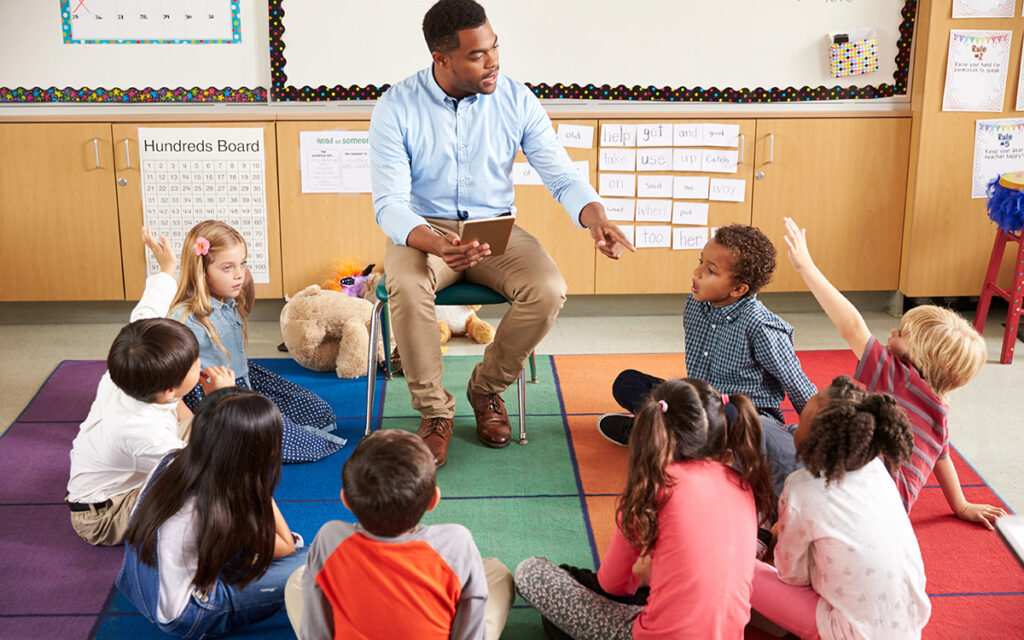
How learning alongside younger and older peers helps children develop leadership, confidence, collaboration, and academic growth through the benefits of mixed-age Montessori classrooms.
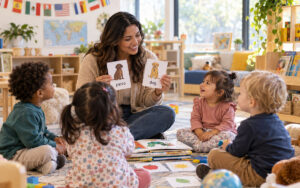
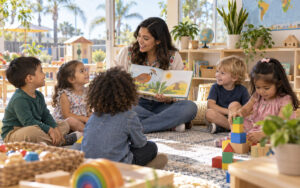
Many traditional educational settings group children strictly by age, operating under the assumption that students of the same age learn best together. While this model is common, Montessori education takes a different approach. One of the defining characteristics of the Montessori philosophy is the use of mixed-age classrooms, where children spanning several years learn together within the same environment.
For families unfamiliar with Montessori education, the idea of children of different ages sharing a classroom may initially raise questions. Parents often wonder whether younger students will keep up academically and whether older children will receive appropriate challenges. In reality, mixed-age classrooms are intentionally designed to support both academic achievement and social-emotional development in ways that closely mirror real-life communities.
Understanding the benefits of mixed-age Montessori classrooms can provide families with insight into how diverse age groups enrich the learning experience.
At KV Montessori Academy, mixed-age learning environments encourage children to grow not only as students but also as compassionate leaders, collaborative peers, and confident individuals, showcasing the benefits of mixed-age Montessori classrooms.
“In a mixed-age Montessori classroom, children learn that everyone has something valuable to teach and something important to learn.”
This dynamic educational model creates a supportive environment where children can progress at their own pace while benefiting from meaningful relationships with peers at different developmental stages.
Older Students Develop Leadership and Confidence
One of the most significant advantages of mixed-age classrooms is the opportunity for older students to naturally step into leadership roles. As children spend multiple years within the same Montessori environment, they transition from newcomers who receive guidance to experienced learners who offer support to others.
This leadership emerges organically rather than through assigned responsibilities alone. Older children may demonstrate how to use classroom materials, assist younger classmates with practical tasks, or model respectful behavior during daily routines.
Teaching others reinforces their own understanding of concepts and strengthens communication skills. Explaining an idea requires children to organize their thoughts clearly and approach learning from a new perspective.
Additionally, leadership experiences contribute significantly to self-confidence. When children recognize that they can positively influence others and provide meaningful support, they begin to develop a stronger sense of competence and responsibility.
Rather than competing for recognition, Montessori students often experience the satisfaction that comes from contributing to their classroom community.
Leadership opportunities within mixed-age settings also help children develop empathy, patience, and emotional intelligence. These interpersonal skills become increasingly important as children navigate future academic environments and social relationships.
By encouraging students to guide and support one another, Montessori classrooms cultivate confident individuals who understand the value of collaboration and service.
Younger Children Learn Through Observation and Inspiration
Young children naturally learn by observing those around them. Mixed-age Montessori classrooms capitalize on this developmental tendency by providing younger students with daily exposure to older peers who model advanced skills, behaviors, and problem-solving strategies.
Rather than viewing older classmates as intimidating, younger children often see them as sources of inspiration. Watching peers complete complex activities or demonstrate independence can motivate younger students to challenge themselves and embrace new learning opportunities.
This observational learning occurs constantly throughout the day. Younger students witness how older children organize materials, engage respectfully with others, solve problems independently, and approach academic tasks with concentration.
Because these examples come from peers rather than adults alone, they often feel more accessible and attainable.
The presence of older role models can also reduce anxiety and build confidence among younger learners. Children entering the classroom for the first time quickly gain a clearer understanding of routines and expectations by observing classmates who have already mastered them.
Importantly, younger children are never pressured to advance before they are developmentally ready. Montessori education respects each child’s unique pace of growth.
Instead, mixed-age environments provide encouragement and exposure that nurture curiosity and intrinsic motivation.
As younger students gain experience and maturity, they naturally prepare to assume leadership roles themselves, continuing the cycle of mentorship and community support.
Individualized Learning Reduces Unhealthy Comparison
Traditional age-based classrooms sometimes create environments where children compare themselves heavily to peers. Students may become concerned about who reads first, finishes assignments fastest, or performs best on assessments.
These comparisons can negatively affect self-esteem and motivation, particularly for children whose developmental timelines differ from standardized expectations.
Mixed-age Montessori classrooms help minimize this dynamic.
Because children engage in individualized learning plans based on readiness rather than age alone, they place less emphasis on direct comparison. Students work toward personal goals and progress through lessons at a pace that aligns with their developmental needs.
This individualized approach recognizes that children develop skills differently across academic, social, and emotional domains.
A younger child excelling in one area and an older child developing another skill both follow their own unique learning paths.
This often results in a more supportive and collaborative classroom culture.
Children learn to appreciate differences rather than view them as measures of success or failure. They develop confidence in their own abilities without feeling pressured to compete constantly with peers.
This focus on individual growth supports intrinsic motivation and fosters a lifelong love of learning.
Students become more invested in personal progress because achievement is defined by meaningful development rather than external comparison.
“When children focus on growth instead of competition, confidence and curiosity naturally flourish.”
This mindset can positively influence academic performance, emotional well-being, and future educational experiences.
Mixed-Age Classrooms Strengthen Social Skills
One of the primary goals of Montessori education is preparing children not only academically but also socially. Mixed-age environments provide daily opportunities to practice communication, cooperation, conflict resolution, and empathy within a diverse community of learners.
Real-world relationships often include individuals of different ages. Families, workplaces, neighborhoods, and communities all involve interactions across age groups.
Montessori classrooms reflect this reality.
Children learn how to adapt their communication styles depending on the needs of others. Older students practice patience and mentorship, while younger students gain confidence interacting with more experienced peers.
Group activities often require cooperation and shared responsibility. Students learn to negotiate, listen actively, offer assistance, and contribute meaningfully to collective goals.
Conflict resolution skills also develop naturally within these environments. Teachers guide students in expressing feelings respectfully, considering different perspectives, and finding mutually beneficial solutions.
These experiences support emotional intelligence and social competence.
Children who feel connected to their classroom communities are often more willing to participate, take risks in learning, and build positive relationships.
Mixed-age classrooms foster a strong sense of belonging that significantly contributes to emotional security and overall well-being.
These interpersonal skills remain valuable throughout life, supporting future success in academic settings, professional environments, and personal relationships.
Continuity Creates Stability and Strong Relationships
Another important benefit of mixed-age Montessori classrooms is the continuity they provide over multiple years.
Unlike traditional classrooms where students typically transition to a new teacher annually, Montessori students often remain with the same teacher and peer group throughout a multi-year learning cycle.
This consistency allows educators to develop a profound understanding of each child’s strengths, interests, learning style, and developmental needs.
Teachers can provide increasingly individualized support because they have observed the child’s growth over time.
Children also benefit from stable peer relationships. Friendships deepen as students spend several years together, creating a strong sense of trust and community.
Returning students help welcome newcomers into the classroom culture, easing transitions and promoting inclusivity.
The familiarity of the environment contributes to emotional security, allowing children to focus their energy on exploration and learning rather than adapting repeatedly to entirely new settings.
Families often appreciate this continuity as well. Long-term partnerships between parents and teachers support open communication and shared understanding of each child’s educational journey.
The result is a nurturing environment where children feel safe, understood, and empowered to take academic and social risks.
These positive relationships form an essential foundation for confidence, resilience, and sustained engagement in learning.
Frequently Asked Questions
What ages are typically grouped together in Montessori classrooms?
Montessori classrooms often span three-year age ranges, such as ages 3–6 in early childhood programs. This structure supports peer learning and community building.
Will older children be academically challenged in mixed-age classrooms?
Yes. Montessori education provides individualized instruction based on each child’s readiness and abilities, ensuring that all students continue progressing appropriately.
Can younger children keep up in a mixed-age environment?
Absolutely. Younger students benefit from observing older peers while receiving guidance tailored to their developmental stage and learning needs.
How do mixed-age classrooms help social development?
Children practice leadership, cooperation, empathy, communication, and conflict resolution through daily interactions with peers of varying ages.
Why are mixed-age classrooms important in Montessori education?
They create collaborative communities that support individualized learning, leadership opportunities, and meaningful social-emotional growth.
Choosing the right educational environment means considering not only academic outcomes but also the social and emotional experiences that shape a child’s development. Mixed-age Montessori classrooms offer children unique opportunities to learn from one another, build lasting relationships, and develop the confidence needed to thrive in a diverse world.
At KV Montessori Academy, thoughtfully designed mixed-age classrooms foster leadership, compassion, independence, and a genuine love of learning. Families seeking an educational experience that nurtures the whole child can discover a supportive community committed to helping every student reach their fullest potential.